
Residential park homes UK are licensed, purpose-built homes sited on private parks where people live either full-time or for long seasonal stays. This guide explains what counts as a residential park home, how much it typically costs to buy and run one, the legal protections you should expect, and practical next steps to view options with WPH Group Ltd. For buyers who value countryside access, lower maintenance, and a community lifestyle, residential park homes UK often match priorities for downsizers and early retirees. WPH Group operates a portfolio of 15 parks and lists available properties across our For Sale pages, so this article also points to relevant listings and contact steps. Additionally, the guide includes statutory references and consumer resources so you can assess residency rights, licensing rules, and protections before you commit.
What counts as a residential park home? (What is a residential park home?)
Direct answer: A residential park home is a factory-built, single-storey dwelling sited on a licensed private park where occupancy is for long-term living rather than short-term holiday use. In plain terms, it looks like a small bungalow or lodge, but it sits on a pitch within a park that has its own rules and a site licence.
Definition: A residential park home is a moveable dwelling designed for year-round occupancy that is placed on a pitch licensed under local authority rules, often protected by the Mobile Homes Act 1983 and its later amendments.
What the label means in practice. Residential park homes UK are distinct from holiday caravans. Residents can often live at the park full-time, register for council services, and receive statutory protections concerning site rules and pitch fees. For example, according to industry listings, there are more than 1,850 residential park home estates listed across the UK, which shows how common this housing option has become in recent years (OnTheMarket park home listings).
Key physical features. Typical residential park homes have insulated walls, double glazing, modern kitchens, and solid foundations or chassis specifically built for lengthy occupancy. They range from compact 1-bedroom homes to larger 3-bedroom lodge-style units. Manufacturers such as Willerby and Omar produce bespoke models that meet building standards; you can find manufacturer details at Willerby and Omar.
Who typically lives in them. Many residents are over 50, seeking lower-maintenance housing and community living. WPH Group’s estate portfolio demonstrates this demand; WPH operates 15 parks focused on countryside settings for buyers and seasonal residents. Consequently, residential park homes UK is a lifestyle choice as much as a housing type.
Where to get reliable guidance. For impartial, consumer-focused information on living in residential park homes, Age UK provides practical guidance on rights and living considerations (Age UK on residential park homes). For park industry standards and advocacy, the trade resource ParkHome.org.uk is a useful reference.
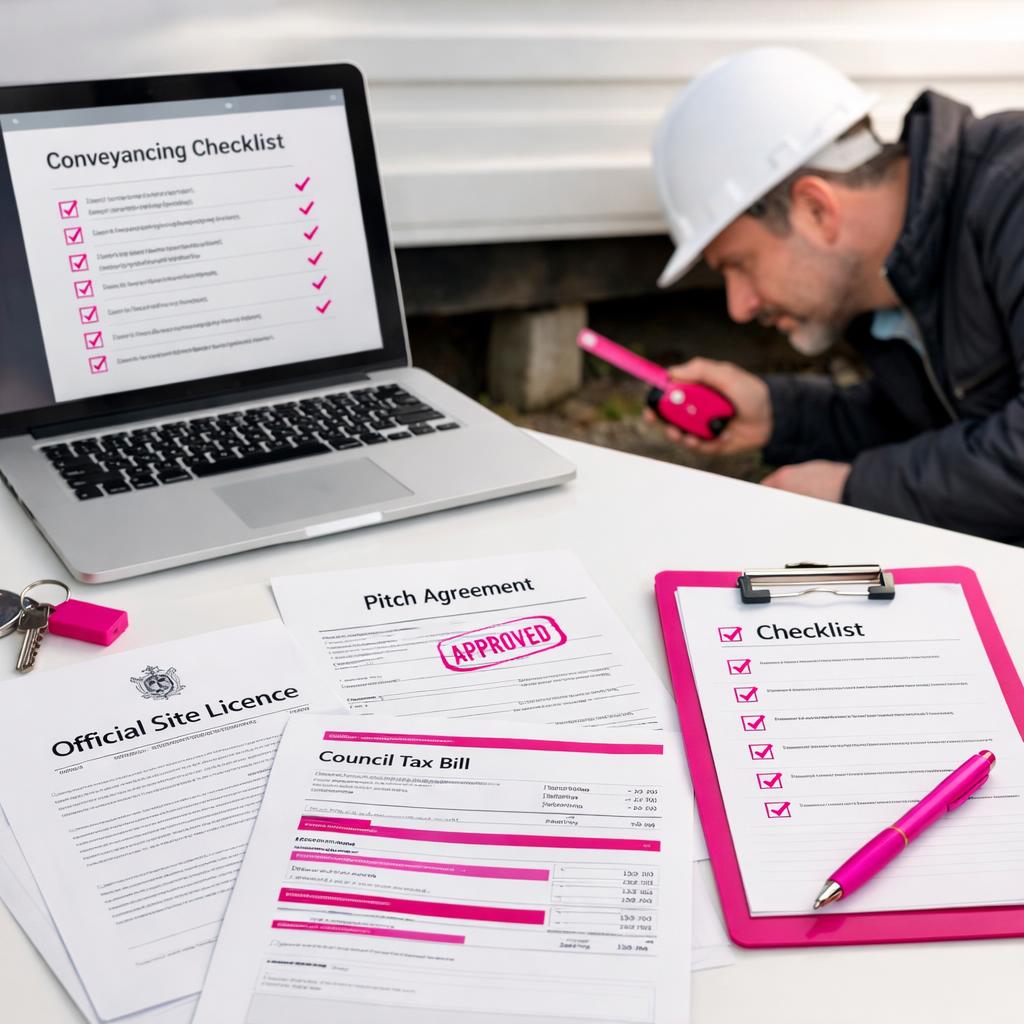
How residential park homes differ from caravans and lodges
Direct answer: Residential park homes are built for year-round living and carry different legal status and standards to holiday caravans, which are usually restricted to seasonal use. Residential park homes provide better insulation and long-term tenure options.
Residential park homes UK are often larger and more permanently sited than holiday caravans. For example, holiday caravans are commonly linked to 28-day or seasonal occupancy limits. In contrast, residential park homes can be occupied 12 months a year if the park is licensed for residential use. That distinction affects council tax classification, finance options, and consumer protections. Therefore, checking the park’s licence status is essential before you buy.
Residential park home costs (purchase + monthly/annual) — residential park homes UK price breakdown
Direct answer: Purchase prices for residential park homes UK typically range from approximately £50,000 to over £300,000 depending on size, specification, and park location, with ongoing site fees usually between £2,000 and £7,000 per year. Running costs add insurance, utilities, maintenance and occasional licence or ground rent charges.
Price ranges and market snapshot. On the lower end, a used 2-bed residential park home might sell for around £50,000 to £80,000. Mid-range new homes often cost £100,000 to £200,000. High-spec lodges and luxury park homes can exceed £300,000. These ranges are market-based averages, and specific listings vary by park and region. Industry listings show thousands of park home adverts nationwide, highlighting choice and price variance (OnTheMarket park home listings).
Ongoing costs to budget for. Typical annual costs include:
– Site fees: approximately £2,000–£7,000 per year depending on park facilities and location. These fees cover ground rent, site maintenance, and communal services.
– Utilities: gas, electricity and water typically mirror small-bungalow costs; estimate £800–£2,000 per year depending on usage and insulation.
– Insurance: buildings and contents insurance for park homes usually costs between £250 and £700 annually, with higher sums for high-value units.
– Council tax: residential park homes are often liable for council tax, which varies by band; check local banding before purchase.
Example cost breakdown (typical mid-range purchase):
– Purchase price: £150,000
– Deposit: £15,000 (10%)
– Annual site fee: £4,000
– Annual utilities and insurance: £2,500
This example shows the first-year combined cost (excluding mortgage payments) around £6,500 plus mortgage instalments if applicable.
Financing and resale. Specialist lenders provide chattel mortgages and secured loans for residential park homes. On average, chattel finance terms may run 10–25 years. Research indicates that while some buyers use cash, an estimated 30–40% of buyers use some finance when purchasing park homes (industry estimate). Resale values depend on the pitch lease length and park reputation. Always check pitch agreement length and any transfer fees before committing.
Practical tip: Always request a full schedule of fees and a written copy of the pitch agreement before viewing. At WPH Group we publish current stock and fees. Explore available units via our Lodges and Caravans For Sale pages and the For Sale archive to compare prices.
How to compare total cost of ownership
Direct answer: Compare purchase price, site fees, utilities, insurance and likely maintenance over a 5–10 year horizon to judge value. Use total cost of ownership rather than headline price when assessing offers.
Assess running costs on a 5-year timeline. Multiply annual site fees and estimated utilities by five, then add an allowance for mid-life maintenance (for example, £3,000–£8,000). This gives you a clearer view of the true cost per year. Additionally, factor in any management or transfer fees the park charges when you sell. Doing this makes it easier to compare two parks with different headline prices but similar running costs.
Rights, agreements & key rules for residential park homes UK (plain English)
Direct answer: Residents have statutory protections under the Mobile Homes Act where parks are regulated, but rights depend on the licence or lease you sign. Always get a written pitch agreement, check whether the site is licensed for residential use, and confirm dispute resolution routes.
What legal protections apply. The Mobile Homes Act 1983, updated in 2013, provides key protections for residents on licensed residential parks. These include the right to a written agreement and regulated procedures for pitch fee changes, park rules, and the sale of a home. For consumer-facing guidance, Age UK describes the practical implications of living in park homes and highlights the need to check licensing and rules (Age UK guidance).
Common agreement types. You will usually sign one of the following:
– Licence to occupy (often annual but can be longer), or
– Lease or contractual agreement for a fixed term.
Check these elements closely:
– Term length: how many years remain on the pitch agreement.
– Pitch fee review: how and when fees can be increased.
– Service charge inclusions: which utilities and maintenance items are covered.
– Selling and transfer rules: any commission or park approval required for a resale.
– Pets and visitors: park restrictions and exceptions.
Dispute and complaint routes. If issues arise, start with the park manager. If unresolved, residents can seek arbitration, mediation or refer matters to a tribunal. The park industry body and resident associations provide further help; ParkHome.org.uk is a consistent source for regulatory and resident advice (ParkHome.org.uk).
Statutory and local checks. Local authorities licence sites and enforce site safety. According to industry guidance, site licences require compliance with site layout, sewage, fire safety and access standards, which protects residents. Therefore, verify the site licence status with the local council before purchase.
Key questions to ask before you sign
Direct answer: Ask for a copy of the pitch agreement, a full fees schedule, the site licence, and a written list of park rules before you sign anything.
Ask for these documents in writing:
– The signed pitch agreement or lease.
– The current site licence and its expiry date.
– A schedule of annual fees and historical fee change records for the last 3–5 years.
– Details on any planned works or major expenditure.
– The park’s policy on pets and subletting.
Getting these documents helps you avoid surprises and supports due diligence during conveyancing or finance checks.
Residential vs holiday: the critical differences for residential park homes UK
Direct answer: The main difference is legal use; residential parks permit year-round living, whereas holiday parks restrict occupation to short stays or seasonal limits. This affects finance, council tax, and statutory protections.
Why the distinction matters. If a park is licensed for holiday use only, you cannot live there as your main residence. You also face limits on subletting and rental income. Residential park homes UK are sited on parks where the licence or planning permission allows full-time occupancy, enabling residents to register for council services and often qualify for council tax rather than business rates.
Financial and legal consequences. Holiday parks typically do not qualify for residential finance products. Lenders often require residential park status before approving chattel mortgages for full-time use. Moreover, holiday parks may require 28-day minimum stays and restrict pets or long-term guests. By contrast, residential parks give you stronger rights under the Mobile Homes Act and may offer more secure tenure.
Statistical context. Industry data shows there are thousands of park sites in the UK, with a significant portion offering residential pitches. For instance, OnTheMarket lists over 1,850 park home estates across the country, reflecting broad supply in both holiday and residential categories (OnTheMarket).
Practical example. A holiday buyer who wants occasional use might be fine with a holiday-only pitch. However, a buyer planning retirement living should insist on a residential pitch agreement. The difference will affect your ability to claim council tax, access local services, and gain statutory protections.
Watch a practical Q&A about park home living. For a consumer-facing walk-through of common questions and costs, watch this Q&A which addresses real buyer concerns about living long-term in park homes.
<div class="se-video" style="position:relative;padding-bottom:56.25%;height:0;overflow:hidden;margin:24px 0;">
Transition to viewing. If you want to see residential options and compare parks, read our step-by-step viewing guide and check available stock before you book a viewing. Our practical steps section below explains how to arrange on-park visits and what paperwork to take with you.
How use status affects resale value and insurance
Direct answer: Residential status typically supports higher resale values and broader insurance options than holiday status. Insurers and potential buyers value the security of residential licences.
Residential park homes UK with secure licences are easier to insure and resell. Insurance premiums can be lower for homes with robust specifications and permanent utilities. Buyers often ask for evidence of long-term pitch availability and any planned redevelopment which may affect future value.
How to view residential options with WPH (process + contact) — residential park homes UK viewings
Direct answer: To view residential park homes UK at WPH, contact our sales team to arrange a viewing, obtain current price lists, and request written copies of pitch agreements and fees before attending. Viewings are by appointment to ensure a tailored experience.
Step-by-step viewing process with WPH. Step 1: Shortlist parks and models on our listings pages. You can search stock via Lodges and Caravans For Sale and the For Sale archive. Step 2: Contact our team through our Contact page to arrange a date and time. Step 3: Request documents in advance — pitch agreement, fee history, and a copy of the site licence. Step 4: Visit the park for a guided tour. We can show individual homes, communal facilities and the pitch environment.
What to bring and inspect. Bring identification, proof of funds or mortgage pre-approval, and a checklist covering things such as insulation, heating, and damp checks. Ask park staff to explain service inclusions and planned works.
Typical viewing outcomes. After a viewing you may decide to reserve a home with a refundable deposit. WPH will then help you with finance contacts, local conveyancers and with arranging home surveys. WPH Group operates 15 parks across Derbyshire, Nottinghamshire, Lincolnshire and Kent, giving buyers regional options with countryside access.
Contact and next steps. Book viewings via our Contact page or enquire directly through our sales listings. If you prefer to explore short breaks before buying, consider a short stay via Holiday Rentals to test park life. Many buyers find a short visit helps them decide whether the community and facilities meet expectations.
See a typical residential park home walkthrough. To visualise a fully residential park home and the issues buyers raise in real walkthroughs, watch this site tour.
<div class="se-video" style="position:relative;padding-bottom:56.25%;height:0;overflow:hidden;margin:24px 0;">
What WPH will provide after you reserve
Direct answer: After reservation, WPH provides formal sale paperwork, a copy of the pitch agreement, and support to complete conveyancing and move-in logistics.
WPH sales support includes arranging site technician checks, confirming hook-up availability, and scheduling delivery if you purchase a new build. WPH can also connect you with recommended local conveyancers and mortgage advisers who have experience with park home transactions. This practical support reduces processing time and helps you understand ongoing obligations before completion.
Next steps, protections & practical checks before buying residential park homes UK
Direct answer: Before you commit, verify the park licence, obtain the pitch agreement, check fee history, and confirm any age or pet restrictions. Arrange an independent survey and consult a conveyancer experienced in park home sales.
Key practical checks. 1) Licence status: confirm the site licence and whether it’s residential. 2) Pitch agreement: read the clauses on fee reviews, sale approvals and transfer fees. 3) Fee history: obtain records for the last 3–5 years to spot steep increases. 4) Utilities and services: confirm what is included in site fees and what you must pay separately. 5) Insurance and mortgage options: check that insurers and lenders will cover the unit.
Statistical and risk context. Research indicates that clarity on fees and agreements prevents most buyer disputes. For example, parks that disclose clear fee review mechanisms experience far fewer formal complaints. Additionally, industry listings show many choices: over 1,850 park home estates are listed across the UK, meaning buyers can be selective (OnTheMarket).
Consumer protections and support. If you have problems, use the park’s grievance process first. Where unresolved, you can seek independent arbitration or tribunal routes depending on the issue. Trade resources such as ParkHome.org.uk and consumer charities like Age UK provide advice and checklists.
Practical checklist (quick):
– Get the pitch agreement in writing.
– Ask for 3–5 years of pitch fee history.
– Confirm site licence and planning status.
– Arrange a home survey and technical inspection.
– Speak to neighbours about living experience and any planned works.
Final note on value. Residential park homes UK can be cost-effective alternatives to conventional housing. However, values depend on the quality of the park, remaining pitch term, and whether the park demonstrates stable fee management. Use the checklist above and specialist advisers to protect your purchase.
When not to proceed
Direct answer: Do not proceed if the park will not provide written pitch agreements, if fees are opaque, or if the site licence is unclear.
Red flags include sudden or unexplained fee hikes, lack of a written agreement, or planned major redevelopment without clear protections for residents. If any of these appear, seek independent legal advice and consider other parks. WPH helps buyers by supplying the essential documentation before viewings so you can make an informed choice.
Key Takeaways
- Residential park homes UK are designed for year-round living and carry statutory protections when sited on licensed residential parks.
- Purchase prices vary widely; expect £50,000–£300,000+ for a home and £2,000–£7,000 per year in site fees.
- Always obtain the written pitch agreement, fee history and site licence before you view or reserve a unit.
- Compare total cost of ownership, not just headline price; include site fees, utilities, insurance and likely maintenance.
- WPH Group operates 15 parks and offers guided viewings, documentation support and sales assistance to help you buy with confidence.
Frequently Asked Questions
How much does it cost to live on a residential park in the UK?
Direct answer: Typical annual costs for living on a residential park in the UK are site fees of £2,000–£7,000 plus utilities, insurance and council tax, with purchase prices commonly ranging from £50,000 to over £300,000.
Elaboration: Site fees vary by park facilities and location. Utilities and insurance costs depend on the home’s specification and usage. For example, a mid-range purchase at £150,000 might see first-year running costs around £6,500 excluding mortgage payments. Always ask for a three- to five-year fee history and a written schedule of what the site fee includes to estimate your yearly budget accurately.
Is it worth buying a park home in the UK?
Direct answer: It can be worth buying a park home in the UK if you prioritise lower maintenance, community living and access to countryside locations, but value depends on the particular park’s rules, fee stability and pitch agreement.
Elaboration: Research shows many buyers move to park homes for lifestyle reasons. According to market listings, thousands of options exist across the UK, so selective buying pays off. Consider total cost of ownership, resale prospects, and legal protections under the Mobile Homes Act. If these align with your aims, residential park homes UK can offer excellent value compared with conventional property.
Can you permanently live in a park home in the UK?
Direct answer: Yes, you can permanently live in a park home in the UK if the park is licensed for residential use and your pitch agreement permits year-round occupation.
Elaboration: Residential park homes UK on appropriately licensed parks allow 12-month occupation. The Mobile Homes Act gives residents certain protections. Check the site licence and pitch agreement to ensure the park permits permanent residency. Holiday-only parks will not allow permanent living and will restrict stays to short-term use.
What is the downside of living in a park home?
Direct answer: Downsides can include ongoing site fees, park rules on pets and alterations, potential for fee increases, and resale limitations tied to the pitch agreement.
Elaboration: Other practical downsides are potential restrictions on subletting, the need to maintain the home to the park’s standards, and the possible difficulty in securing mainstream mortgage finance. However, transparent parks with clear fee histories and long-term licences reduce these risks. Always obtain professional legal and survey advice before buying.
Get In Touch