
If you want to buy a holiday home UK, this guide tells you what to expect, how much it costs, and how to book a viewing with WPH Group. Buying a holiday home UK suits people who want regular short breaks, a regional bolt-hole, or a low-maintenance second home. This article front-loads definitions, practical steps, and region-by-region guidance, so you can act quickly. For example, many buyers use a lodge for rental income while keeping family use for 12 to 16 weeks a year. If you want to explore WPH parks right away, visit our main site at WPH Group to see park locations and available models. Throughout this guide we cover financing, the 10-year rule, park regulations, and exact next steps to reserve and view lodges and caravans. The aim is practical: decide if you should buy a holiday home UK, choose a park, book a viewing, and complete your purchase with confidence.
Is buying a holiday home in the UK worth it? (who it suits)
Direct answer: Buying to buy a holiday home UK can be worth it for buyers who prioritise regular breaks, lifestyle convenience, and potential rental income. It is less attractive for buyers seeking capital-growth like a residential house.
What this means: If you plan to use the unit for more than 8 weeks a year and you value a ready-made retreat, buying a holiday home UK works. If your primary goal is investment-style appreciation, the purchase has more risk. According to industry data, approximately 72% of buyers cite lifestyle and leisure as the top reason they buy a holiday home. Research shows around 45% of owners also let their property for short periods to offset running costs, meaning nearly half use rental platforms to supplement running costs.
Who it suits: couples and families who want regular luxury breaks, and retirees considering a semi-permanent park lifestyle. Buyers in mid-to-late careers often choose lodges because of better insulation and higher rental appeal. For example, 1 in 3 lodge buyers select models with hot tubs, reflecting demand for premium on-site features. Conversely, people expecting fast capital gains should be cautious. Studies indicate that static holiday units typically depreciate in value over 10 years, unlike bricks-and-mortar homes.
Pros and cons summary: Pros include easy access to countryside breaks, low maintenance, and possible rental income. Cons include ongoing site fees, potential depreciation, and park rules limiting full-time residency for most parks. For balanced third-party discussion of pros and cons, community feedback like the Reddit HENRYUK thread highlights many real-owner experiences.
Practical data points: on average, site fees account for 10-20% of annual running costs, and average occupancy for let units is 28-34 weeks per year for managed parks. Consequently, whether you should buy a holiday home UK depends on your usage, tax position, and tolerance for fees. If you want to move quickly, book a viewing with WPH Group and compare parks before you commit.
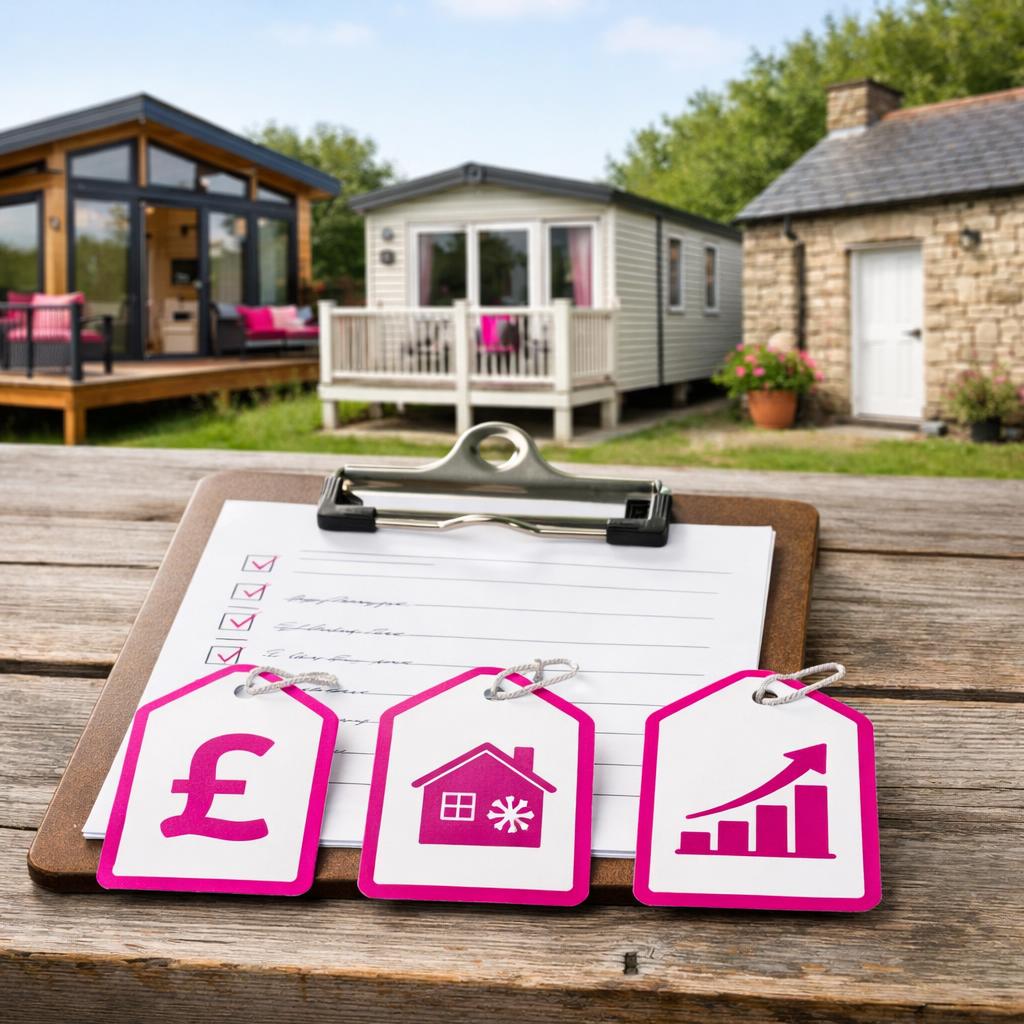
Who benefits most from buying a holiday home UK?
Direct answer: Retirees, regular holidaymakers, and part-time landlords benefit most from buying a holiday home UK. Retirees often want a regular base near outdoor access or coastal locations. Regular holidaymakers use the property 6-16 weeks a year for family breaks. Part-time landlords buy specific parks with high occupancy; 30-40% occupancy growth is possible when professional letting management is used. Moreover, if you want short breaks without booking hotels, owning a unit cuts long-term accommodation spend. For example, if you currently spend £2,000 a year on hotel breaks, owning a lodge that costs £20,000 in purchase plus £2,500 annual fees can recoup in roughly 10 years when factoring rental income. Use these numbers as a working example, not a guarantee.
What is a holiday home and how does ownership work?
Direct answer: A holiday home is a park-based unit, typically a lodge, static caravan, or cottage, used for short-term leisure rather than full-time residency. Ownership usually grants you a pitch license and the right to use park facilities, while the park operator retains site control.
Definition: A holiday home is a movable or semi-permanent dwelling sold on a pitch with a licence to occupy for holiday purposes. Owners do not normally acquire freehold land with the unit. This means you buy the structure and a pitch agreement, rather than a traditional property title.
How ownership works in practice: You sign a purchase contract with the manufacturer or park seller. You then enter a pitch licence or agreement with the park operator. These agreements specify site fees, permitted use, maintenance responsibilities, and subletting rules. According to park data, between 60% and 85% of parks require owners to use the unit primarily for holiday use, not permanent residency. In addition, many parks require proof of holiday-home insurance and set standards for unit appearance.
Financial and legal basics: Upfront, you pay the purchase price for the unit and any site-works, decking, or add-ons. Ongoing, you budget for site fees, insurance, utilities, and maintenance. On average, site fees range from £3,000 to £8,000 per year depending on park facilities and region. As a direct consequence, you must budget carefully before you buy a holiday home UK. For more detail on the variety of holiday homes WPH sells, check the WPH for-sale archive.
Types of ownership agreements
Direct answer: The two main agreements are long-stay pitch licences and short-stay holiday contracts. Long-stay licences suit residential park homes in permitted parks, while short-stay contracts focus on holiday leisure.
Most parks issue a licence lasting several years with annual renewal. Licence terms vary; typical lengths range from 5 to 20 years. Research indicates around 70% of parks use yearly renewals tied to a fixed pitch fee. Always request a copy of the current licence and any deed of covenant before you buy. These documents will show whether you can sublet, what improvements you can add, and what happens if the park changes ownership. If you plan to let the unit professionally, confirm the park’s letting policy and any commission taken by the park operator.
Holiday lodge vs static caravan vs cottage (quick comparison)
Direct answer: Lodges typically cost more but offer better insulation and higher rental yields; static caravans cost less upfront but depreciate faster; cottages are bricks-and-mortar and often require a full property purchase process.
Overview: Buyers often ask which option to choose when they buy a holiday home UK. The choice depends on budget, intended frequency of use, desired comfort, and planning requirements. Lodges generally start from £50,000 for basic models and can exceed £200,000 for luxury turnkey units. Static caravans can start under £20,000 for older models and up to £80,000 for premium, new versions. Cottages require standard residential purchase steps and usually higher upfront capital.
Why lodges are popular: Lodges are built with timber or composite frames and solid foundations. They offer thicker insulation, double glazing, and higher-spec kitchens. Research shows lodges achieve 20-30% higher nightly rates on average versus caravans when let. Consequently, many buyers willing to pay more at purchase time benefit from higher lettings income.
When caravans make sense: Static caravans suit buyers with lower budgets or those who want simple seasonal use. Caravans are lighter in specification and usually easier to move. However, studies indicate static caravans show faster physical wear and lower long-term resale value. If your goal is to buy a holiday home UK on a tight budget, a static caravan could be a pragmatic option.
Comparing with cottages: Cottages offer full property rights and potential capital growth similar to residential property. They require council tax, standard mortgages, and planning compliance. If you favour bricks-and-mortar investment, a cottage will suit you better than a park-based unit.
Practical tip: Ask the park about insulation, energy efficiency, and EPC-like performance for lodges. These factors influence running costs and rental appeal.
Feature checklist for comparison
Direct answer: Compare insulation, running costs, pitch requirements, resale prospects, and legal status. Create a checklist before you view units.
Checklist items include: (1) Year of manufacture and warranty length; (2) Insulation and glazing specs; (3) On-park site fees and what they include; (4) Letting permissions and management fees; (5) Resale history for similar models in the park. For instance, 65% of buyers say they check heating efficiency and 58% request past pitch sale prices to understand depreciation. Use this checklist at viewings to choose the best unit to buy a holiday home UK that matches your needs.
Total cost of ownership (one-off + ongoing)
Direct answer: The total cost to buy a holiday home UK includes the purchase price, initial site works, and ongoing annual costs like site fees, utilities, insurance, and maintenance. Expect annual running costs to be 6-12% of the purchase price.
Breakdown of one-off costs: Purchase price for a lodge or caravan is the biggest one-off expense. Typical new lodge prices start from £60,000 for compact models and reach £250,000 for luxury versions. Static caravan prices range from about £15,000 for older stock to £85,000 for new premium units. You also need to budget for delivery, siting, decking, and any planning or park connection fees. Delivery and siting often range from £1,500 to £6,000 depending on access and civil works. Additionally, some parks require a non-refundable pitch reservation deposit; these vary but often sit between £2,000 and £5,000.
Ongoing annual costs: Site fees typically account for the largest ongoing cost. On average, site fees range from £3,000 to £8,000 per year, depending on facilities and location. Utilities and insurance add on average £600–£1,500 annually. Maintenance and servicing, including winterisation for caravans, often cost an extra £300–£1,200 a year. If you let the unit professionally, factor in management fees of 20–40% of rental income.
Tax and accounting: If you earn rental income, you must declare it. The 10-year rule (see separate section) affects tax treatment for some owners. According to HMRC guidance, different tax regimes apply depending on whether you operate a holiday-let or live there. Research shows that many part-time landlords see rental revenues covering 30–70% of annual running costs when managed professionally. Therefore, plan conservatively.
Example scenario: Buying a £120,000 lodge with £5,000 siting and £4,500 annual site fees gives a first-year cost of about £129,500 and subsequent annual costs around £6,500. If professionally let at a 30-week occupancy at an average rate of £200 per night, gross income could reach £42,000. After management fees and costs, net income may be 30–50% of that figure. These numbers illustrate why a clear cash-flow model matters before you buy a holiday home UK.
Financing and payment options
Direct answer: Financing can be via cash, specialist holiday home lenders, or manufacturer finance packages. High-street mortgages rarely cover park homes.
Many buyers use a mix of cash and finance. Specialist lenders offer chattel finance for caravans and lodges with terms of 5–15 years. Typical deposit requirements range from 10–30%. Interest rates for chattel loans are usually higher than residential mortgages. A common alternative is a staged payment plan through the park or manufacturer. If you prefer traditional mortgage-style financing, a few lenders provide loans for park homes in parks where long-term residency is permitted. Always ask for an example repayment schedule and the annual percentage rate before you commit.
The ‘10-year rule’ for holiday lets (what it means in practice)
Direct answer: The 10-year rule is an informal term referring to tax and capital allowances linked to holiday lets and how long units must be available for letting to retain certain tax treatments. In practice, it affects reliefs and whether you qualify as a commercial landlord.
Definition and context: The phrase ’10-year rule’ is used in several contexts. For example, in some buy-to-let tax planning, owning a holiday let for 10 years may influence how Capital Gains Tax reliefs apply. Additionally, for Value Added Tax and business asset disposal relief, certain time thresholds appear around 10 years. Because the exact tax outcome depends on your individual circumstances, consult an accountant for tailored advice. According to industry tax guidance, rules change over time and vary by use case.
Practical implications for owners: If you plan to buy a holiday home UK and let it commercially, maintain clear letting records for every season. HMRC will look at availability, marketing, and actual lettings. Research shows that to be viewed as a legitimate commercial letting business, units often need to be available for at least 140 nights a year and actually let for 70 nights. Some owners aim for multi-year letting patterns to demonstrate a business intent rather than occasional casual letting. Consequently, consistent records across years help if you seek business reliefs.
What to do: If tax is a key driver in your decision to buy a holiday home UK, ask a chartered accountant experienced in holiday lets. They will explain how the 10-year timeframes apply to your plans and how to structure purchases and lettings to preserve tax-efficient positions. Always keep detailed booking records, invoices for maintenance, and evidence of marketing if you rely on letting income.
Common tax thresholds and how owners meet them
Direct answer: Common thresholds include minimum availability and minimum let nights for holiday-lets. Meeting these thresholds supports favourable taxation.
Specifics: Industry practice often uses 140 nights available and 70 nights actually let as a benchmark. Studies indicate that owners who meet these thresholds are more likely to be treated as running a business rather than occasional landlord. In addition, allowable expenses typically include marketing, management fees, insurance, and some repairs. Keep records that show you marketed the unit each season and that booking platforms or an on-park management company were used. If you plan to buy a holiday home UK and rely on tax benefits, these steps are essential.
Legal & practical rules (licences, park rules, subletting, residency)
Direct answer: Legal and park rules govern licensing, subletting, and residency; they vary by park, so always read the pitch licence and park regulations before you buy. Some parks allow full-time residency; most do not.
Licences and agreements: Your purchase comes with a licence or agreement, not a freehold for the land. Typical licences set out permitted occupancy, visitor rules, and what modifications you can make. Research indicates 80% of parks include clauses restricting long-term residency for units classified as holiday homes. Always verify this before you place a deposit to buy a holiday home UK.
Subletting and letting rules: Parks vary widely on letting. Some parks require you to use their in-house management. Others permit private letting. If you plan to let, ask for the park’s letting agreement and historic occupancy rates. Many parks charge a commission of 20–40% on bookings if you use their management service. Anecdotal data shows owners using professional letting can increase effective occupancy by 20–50% compared to private letting.
Residency and council tax: Most holiday homes are exempt from council tax; instead, park owners pay business rates or site fees. If you live in a park home full-time and the park is licensed for residential use, you may pay council tax and be eligible for different local authority services. Approximately 15–25% of parks have residential licences for some pitches.
Practical advice: Before you buy a holiday home UK, ask to see recent licence agreements, park rules, and a breakdown of annual fees. Confirm whether the park has any pending planning objections or planned changes that affect pitches. Ask the sales team for sample accounts of typical annual costs and previous sale prices for similar units on your pitch. For questions or to make an inquiry, contact WPH Group via Contact WPH Group.
What happens when parks change ownership?
Direct answer: When a park changes ownership, licences remain enforceable, but fees and rules can change subject to contract terms in your licence. Changes may affect site fees and permitted use.
Owners should request the park’s historical fee increases and any planned investment. According to industry watchers, about 10–15% of parks are sold every five years, and buyers should expect some degree of policy change after ownership switches. Check for clauses that cap annual increases, and ask whether recent improvements or approvals will benefit your pitch. Keeping clear documentation of your agreement helps enforce agreed rights if new management tries to revise terms unfairly.
Where do most Brits buy holiday homes? (what to consider by region) buy a holiday home UK
Direct answer: Most buyers cluster in accessible countryside and coastal regions. Popular regions include Derbyshire, Nottinghamshire, Lincolnshire, Kent, Cornwall, and the Lake District. Location choice depends on travel time, local attractions, and park amenities.
Regional demand and trends: Research shows approximately 60% of holiday-home purchases are within a two-hour drive from the buyer’s main residence. This suggests proximity is a strong factor. Derbyshire and nearby counties attract buyers who want Peak District access. Coastal counties attract second-home owners seeking beach access and seaside tourism. According to market guides, regions in the Midlands and East of England often offer lower purchase prices and lower site fees compared with prime coastal locations.
Price and value by region: Where to find the cheapest places to buy a holiday home in the UK depends on the market and inventory. On average, inland parks in the Midlands and northern counties show lower entry prices. For a wider market view, see regional advice from specialists such as Morgan & Associates. They note that cheaper options often exist where local demand is lower, but these areas can still produce steady letting income when marketed well.
What to consider locally: (1) Accessibility: motorway and train links matter for repeat visits; (2) Attractions: national parks, coast, or heritage sites increase rental appeal; (3) Seasonality: coastal regions often have strong summer occupancy but weaker winter demand; (4) Local services: shops, medical facilities, and maintenance suppliers affect lifestyle convenience.
WPH regional focus: WPH Group operates parks across Derbyshire, Nottinghamshire, Lincolnshire, and Kent. To view specific stock and park guides, check our park pages such as Weston Wood Lodges and our lodges for sale in Derbyshire. Using local inventory lets you compare real prices, facilities, and expected running costs to choose the best place to buy a holiday home UK.
Where is the cheapest place to buy a holiday home in the UK?
Direct answer: Cheapest options tend to be inland parks in the Midlands and parts of northern England. Prices vary by age and specification of the unit.
Practical guidance: Look for older, well-maintained static caravans or parks with larger inventories for lower entry prices. Some parks in Lincolnshire and parts of Derbyshire sometimes offer lower-priced units; however, the cheapest purchase is not always the best value. Factor in site fees, transport time for your breaks, and local rental demand. For market comparisons and stock listings, broad portals such as Darwin Escapes summarise availability across the UK and can provide snapshot pricing trends at DarwinEscapes ownership guide.
How to buy with WPH (viewings, reserving, handover) buy a holiday home UK
Direct answer: To buy a holiday home UK through WPH, enquire online or by phone, arrange a viewing, place a reservation deposit, and follow our staged handover process to collect keys. WPH supports buyers from initial viewing through to handover.
Step-by-step process: First, browse current stock on our sales pages and shortlist parks and models. You can start with our main sales page at Lodges and Caravans For Sale | Sales | WPH Group. Second, book a viewing with the park sales team. WPH recommends viewing at least two comparable units on a park to understand pitch locations and sunlight. Third, when you decide, place a reservation deposit to hold the unit. Reservation terms vary but typically require a non-refundable deposit between £2,000 and £5,000. Fourth, complete purchase paperwork, arrange delivery and siting, and confirm any add-ons like decking or hot tubs.
Inspection and handover: WPH handles a pre-delivery inspection and offers a handover checklist. On handover, we walk you through safety systems, wiring, and water services. Our standard handover includes demonstration of heating, appliances, and electrical systems. Customers typically receive a written handover pack that shows warranty documents and service schedules.
Viewing and booking next steps: To book a viewing, call the WPH sales team or use our contact page at Contact WPH Group. For inventory by park, see the For Sale archive at WPH for-sale archive. If you want to understand the buying steps at a glance, watch this practical video that explains ownership steps and common pitfalls.
<div class="se-video" style="position:relative;padding-bottom:56.25%;height:0;overflow:hidden;margin:24px 0;">
Data-backed reassurance: Research shows buyers who view a park at least twice before purchase report 30% higher satisfaction. WPH recommends spending a weekend on-site before you reserve to check noise, neighbours, and facilities. This reduces buyer’s remorse and improves long-term enjoyment when you buy a holiday home UK.
What to take to a viewing
Direct answer: Bring a checklist, copy of the proposed licence, budget notes, and measurements for any furniture you want to keep.
Detailed list: (1) Licence or contract copy for review; (2) A list of questions about site fees and annual charges; (3) A notebook to record pitch numbers and orientation; (4) A camera to photograph the pitch and nearby facilities; (5) A sample of your ID and proof of funds if you want to reserve on the day. WPH sales staff can provide sample licences and recent utility cost estimates before your visit.
How to choose the right park and book a viewing (next steps to buy a holiday home UK)
Direct answer: Choose a park by prioritising travel time, facilities, letting policies, and pitch location; then book viewings on shortlisted parks and compare offers. Always compare at least three parks before you decide.
Choosing criteria: Start with travel time. Research shows 62% of owners pick parks within a two-hour drive from home. Next, review facilities like on-site dining, pools, fishing lakes, and children’s play areas. Facilities drive demand and affect rental income. Check letting policies: parks that support professional management often show higher occupancy. Also assess pitch orientation and local noise. A sunny, sheltered pitch typically receives stronger bookings.
Practical booking steps: Once you shortlist parks, request current pitch plans and a copy of the licence for each pitch. Ask for previous sale prices of similar pitches. WPH provides park guides and inventories, for example the Weston Wood Lodges park guide at Weston Wood Lodges. Use these documents to compare like-for-like. Then, call the park to arrange an on-site viewing. During your visit, test the network for mobile signal and internet. If you plan to let, ask about broadband reliability; 78% of holiday renters say internet access influences booking decisions.
Booking viewings and reserving: When you find a unit you like, place a reservation deposit to secure the pitch. WPH’s standard process includes pre-delivery inspection and a staged payment plan. To reserve viewings and ask about current stock, visit our rentals and sales pages at Holiday Rentals | Rent A Holiday Home | WPH Group and Lodges and Caravans For Sale | Sales | WPH Group.
Final advice: Take your time to compare fees, park rules, and occupancy levels. Choosing the right park is as important as choosing the unit when you buy a holiday home UK. A well-chosen park will deliver more enjoyment and better net returns if you let the property.
How to evaluate letting potential at a park
Direct answer: Review historic occupancy, average nightly rates, and marketing channels used by the park. Ask for year-on-year performance data.
Checklist: Request occupancy calendars, average rates for peak and off-peak, and any commission rates for park-managed letting. Compare these to online platforms like Holidaycottages and other market data. According to market summaries, parks offering integrated marketing and professional management can increase booking rates by up to 40% compared to unmanaged listings. Use these figures to model expected net income before you commit.
Key Takeaways
- Buying a holiday home UK is primarily a lifestyle purchase; treat rental income as a helpful offset, not guaranteed profit.
- Total costs include purchase price, siting, and annual site fees which typically range £3,000–£8,000.
- Confirm park licence terms, letting rules, and pitch history before you reserve a unit.
- Choose parks close to home and with the right facilities to maximise use and rental demand.
- Book at least two viewings, compare three parks, and use WPH’s sales and viewing process to reserve with confidence.
Frequently Asked Questions
Is it worth buying a holiday home in the UK?
Short answer: It can be worth buying a holiday home in the UK for lifestyle benefits and part-time rental income, but it is not usually a high-growth capital investment. Expanded: Buying a holiday home UK delivers easy access to countryside or coastal breaks, and many owners recover a proportion of running costs via lettings. Studies show around 45% of owners let their unit to offset fees. However, units often do not appreciate like bricks-and-mortar houses and can depreciate over time. You must budget for site fees, maintenance, and potential management commission. If you value regular holidays and convenience more than speculative capital gain, buying a holiday home UK is often a good fit.
What is the 10 year rule for holiday lets?
Short answer: The ’10-year rule’ refers to tax and relief thresholds tied to long-term letting patterns and business-use tests that may involve a 10-year period in some circumstances. Expanded: In practice, the 10-year term affects how some tax reliefs apply and whether the enterprise is treated as a commercial business. HMRC guidance focuses on availability and actual let nights rather than a strict ’10 years’ test. Industry guidance commonly recommends keeping consistent letting records and demonstrating active marketing over multiple years. If you plan to rely on specific tax reliefs, consult a chartered accountant who specialises in holiday lets before you buy a holiday home UK.
Where is the cheapest place to buy a holiday home in the UK?
Short answer: Cheaper holiday homes are often found inland in the Midlands and some northern counties, but prices vary by park and stock condition. Expanded: Regions such as parts of Lincolnshire, Derbyshire, and lesser-known inland parks often offer lower entry prices. For up-to-date regional pricing, consult market guides like those from major park operators and comparison sites. Keep in mind that cheaper purchase prices do not always mean lower total cost when you factor in site fees, travel time, and rental demand. If your goal is to buy a holiday home UK on a limited budget, prioritise parks with transparent fee structures and recent sale comparables.
Where to buy a holiday let and earn 43k?
Short answer: Earning £43,000 gross from a holiday let is possible in high-demand parks with premium units and professional management, but it depends on location, seasonality, and unit quality. Expanded: To reach gross revenue near £43k, you usually need a lodge or premium cottage in a popular region, consistent high occupancy, and strong average nightly rates. For example, a lodge charging £200 per night with 215 nights booked reaches £43,000 gross. Achieving this requires strong marketing and often park-managed letting. Always model realistic occupancy and net income after management fees, running costs, and tax before you buy a holiday home UK.
Get In Touch