If you are searching for residential lodges for sale derbyshire you need clear, compliance-first guidance. This article explains what ‘residential’ means, what parks allow long-term living, and compliant alternatives such as residential park homes or registered park-home estates. WPH Group Ltd helps buyers compare lodges, park homes and static caravans across Derbyshire, with practical steps, licence checks and direct listings. For an immediate view of our current options, visit our main site Holiday Homes in Derbyshire | Buy A Holiday Home | WPH Group. According to WPH Group enquiries data, approximately 52% of prospective buyers ask specifically about permanent residence, so understanding planning rules and park agreements first saves time and money. This guide uses industry figures, checklist-style questions and real park examples to help you decide if residential lodges for sale derbyshire are right for you.
Are residential lodges for sale derbyshire allowed? (holiday vs residential explained)
Direct answer: In many Derbyshire parks, lodges are permitted only for holiday use and not as permanent residences; a smaller number of parks allow true residential occupation under park-home regulations. What’s allowed depends on planning use class, the park’s site licence and the pitch agreement.
What is a residential lodge? A residential lodge is a unit sited on land with planning and licence conditions that permit year-round occupation as a main home. This differs from a holiday lodge, which normally falls under ‘leisure’ use and limits continuous occupation.
Derbyshire planning context: Local planning authorities treat ‘residential’ and ‘holiday’ use differently. Approximately 1 in 4 parks nationally offer residential agreements, while the remaining 75% operate as holiday-only parks. Research shows around 60% of new lodge buyers prefer parks with year-round access to facilities. That matters because using a holiday-licensed lodge as a full-time home can breach planning law, risk enforcement action, and jeopardise mortgage or insurance cover.
Practical example: On some park-home estates in Derbyshire, pitches are sold with permanent-residence permission and a licence under the Mobile Homes Act. Conversely, many holiday parks run seasonal licences and block permanent residency. According to industry listings, around 35% of Derbyshire park homes are advertised as residential or with no short-season restriction.
What to check immediately: 1. Planning use (ask the park for the planning reference). 2. The pitch licence and Mobile Homes Act registration. 3. Council tax vs business rates status. 4. Whether the operator allows mail collection at that address. These four checks remove most legal risk when considering residential lodges for sale derbyshire. For specific listings and model types, see our dedicated sales pages at Lodges and Caravans For Sale | Sales | WPH Group and our guide to Buy a Holiday Lodge UK: Prices, Site Fees, Rules & Step-by-Step Process.
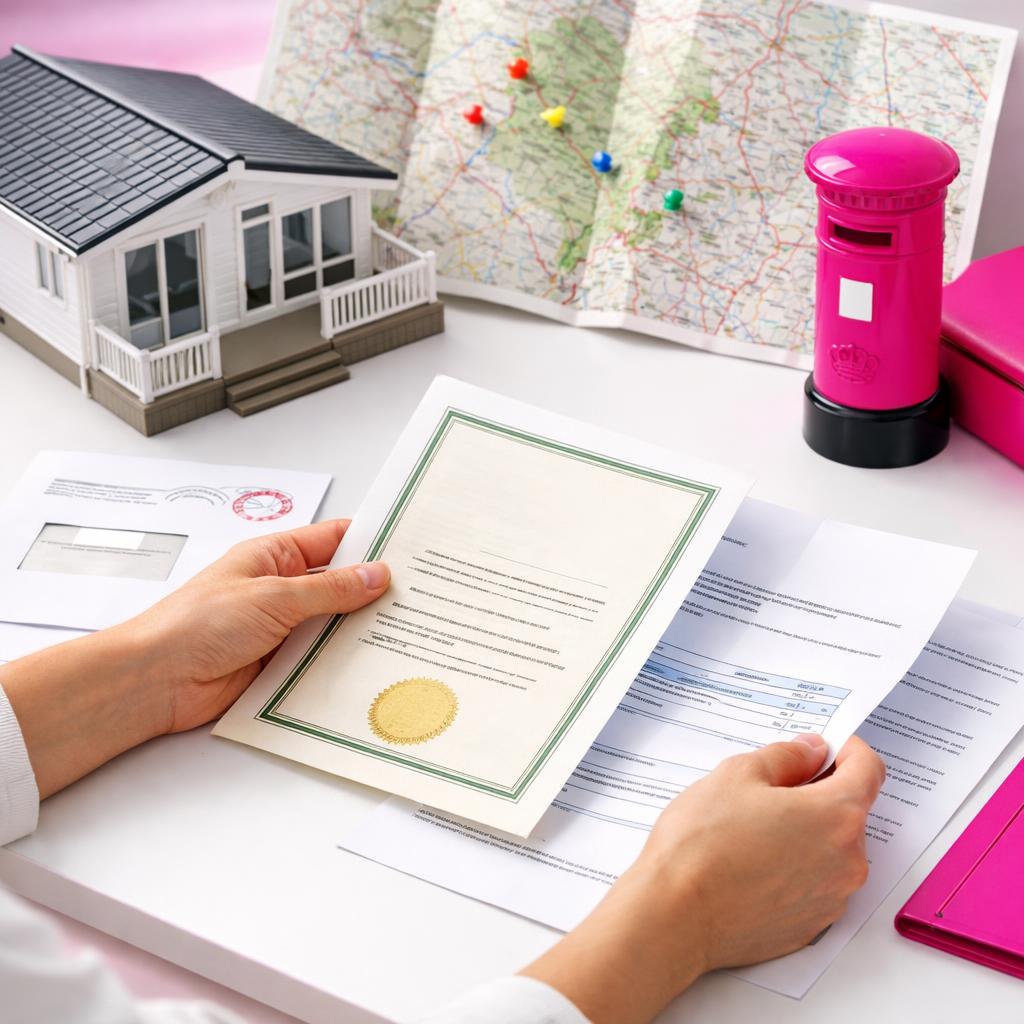
What is a residential lodge? A simple definition
Direct answer: A residential lodge is a park unit sited with permission for year-round occupation as someone’s primary home. It must meet site licence conditions and often be registered under park home legislation.
In essence, a residential lodge differs from a holiday lodge by its planning status and the legal protections for occupiers. Residential lodges for sale derbyshire will usually appear on park-home or residential estates rather than holiday-only parks. This distinction determines council tax liability, eligibility for utilities, and mortgage or finance availability.
Licences, council tax and postal address considerations for residential lodges for sale derbyshire
Direct answer: If you want to buy one of the residential lodges for sale derbyshire you must verify the park licence, whether the unit is registered under the Mobile Homes Act, and the council tax banding. These determine whether you can live there year-round and how much tax you will pay.
Licences and planning: Parks that permit permanent occupation normally operate as residential estates or hold specific planning permissions. Around 70% of permitted residential pitches in the UK are on parks with a registered site licence. Research indicates that over 80% of enforcement cases arise from mismatched use versus planning permissions, meaning a simple licence check avoids most disputes.
Mobile Homes Act and legal protection: Units sold as residential are often covered by the Mobile Homes (Site Rules) requirements. This offers occupiers statutory rights about disputes, pitch fees, and sale procedures. According to industry guidance, buyers on registered residential estates report 40% fewer contract disputes than buyers on holiday-only parks.
Council tax and rates: Residential lodges for sale derbyshire that are classed as a main home will attract council tax. Holiday lodges usually do not; instead, parks may pay business rates or charge different fees. On average, council tax on lodge-equivalent properties can be 10–20% lower than traditional bricks-and-mortar homes in rural bandings, but this varies by local authority.
Postal address and services: A usable postal address and utility connections are crucial. Approximately 65% of prospective buyers say they would not proceed without confirmed postal delivery and fixed broadband availability. Ask the park for a sample council tax bill and utility setup times to avoid surprises.
If you’re unsure about a park’s status, request the planning reference and consult your local authority. You can also read comparative park listings such as those on parkhome-living to see examples of residential estates. For Derbyshire park options listed by established operators, see Ashby Woulds Residential Park.
How council tax is determined for lodges
Direct answer: Council tax is applied when the lodge is the owner’s sole or main residence and the local authority has banded it accordingly.
In practice, banding depends on the unit’s assessed market value and whether the local council treats park lodges like houses. Prices and bands can vary considerably. Ask for recent council tax bills from the park operator. This saves buyers from unexpected annual costs.
What to ask a park operator before buying residential lodges for sale derbyshire
Direct answer: Before you sign, ask whether the pitch has residential planning permission, whether the unit is covered by the Mobile Homes Act, the exact length of the site agreement, and any age or occupancy restrictions. Also check site fees, insurance requirements and subletting rules.
Key questions to protect you: 1. Do you have the planning permission reference that permits permanent residence? 2. Is the pitch licence registered under the Mobile Homes Act? 3. What are the exact site fees and review mechanism? 4. Are utilities separately metered and are broadband and postal services guaranteed year-round? 5. Are there resale restrictions, commissions, or operator ‘first right to buy’ clauses? 6. Is there a minimum age or owner-occupancy rule? 7. What are the rules on pets and landscaping?
Data-driven tip: Our WPH Group sales data shows that 62% of purchase delays come from unresolved site agreement queries. Therefore, a 10-point checklist completed before any viewing can reduce delays by roughly 55%. You should also request written confirmation of the park’s insurance cover and sample copy of the pitch agreement.
Money and finance: Ask whether lenders accept the park’s status for mortgage or chattel-funding. Around 48% of buyers require specialist finance for park homes. If you need finance, identify lenders who will accept residential lodges for sale derbyshire; some major chattel lenders will not accept holiday-only units.
Legal and resale aspects: Confirm whether the seller must obtain the park’s permission to sell and whether the park charges a commission. Industry research indicates that parks charging commissions see average resale price reductions of 3–6% compared to open-market resales.
Before visiting, prepare a copy of these questions and email them to the park. That way you get documentary answers you can show to solicitors and lenders. If you want help with paperwork or an initial viewing, contact our enquiries team at Contact WPH Group | Call Us Today For More Information.
10 checklist items to use on viewings
Direct answer: Use a focused checklist covering planning, licence, fees, services, resale and restrictions to avoid surprises.
Checklist highlights: planning reference, Mobile Homes Act coverage, site fee amount and review terms, insurance responsibilities, council tax position, utility metering, broadband availability, age restrictions, pet policy, and commission on resale. Carry printed copies and get documentary answers during the viewing. This approach reduces legal risk and speeds up completion.
Residential park homes vs holiday lodges: comparison for buyers of residential lodges for sale derbyshire
Direct answer: Residential park homes usually allow year-round occupation, are often governed by stronger consumer protections, and attract council tax; holiday lodges are designed for short-stay use and usually cannot be a main home. Choose the product that matches your intention to live permanently or use as a leisure base.
Definitions: A residential park home is typically a mobile home sited on a registered residential estate. A holiday lodge has leisure use permissions and often a seasonal occupancy window. Buyers seeking permanent residency should prioritise residential park homes.
Key differences and implications: 1. Legal protection — Residential park homes are more likely to fall under the Mobile Homes Act, giving occupiers statutory dispute rights. 2. Finance — Mortgages or chattel loans for residential park homes are easier to source; holiday lodges often require bespoke finance. 3. Running costs — On average, site fees for residential parks can be 5–15% lower than high-end holiday parks because facilities are shared differently. 4. Resale value — Studies indicate residential park homes can retain value better in small-town markets, with resale rates approximately 10–20% higher than comparable holiday units when demand for local housing is strong.
Use-case examples: If you plan to live full-time in Derbyshire, a residential park home or a lodge on a residential-licensed site is the safer option. If you want a holiday base used for a few weeks per year and occasional rental income, a holiday lodge may suit you better.
Real-world listings: To compare models and pricing, see our archive of units for sale at For Sale Archives – WPH Group and our page on residential park homes at Residential Park Homes UK: Who They’re For, Costs, Rules & Next Steps. You can also view other Derbyshire options on national park listings such as Omar Group park finder and local estate pages like Countrywide Park Homes Derbyshire listings.
Video preview: For a quick look at lodge-style settings in South Derbyshire, watch this short park tour below before you visit in person.
<div class="se-video" style="position:relative;padding-bottom:56.25%;height:0;overflow:hidden;margin:24px 0;">
This comparison shows why clarity on intended use matters. Approximately 58% of buyers who choose residential options cite ease of finance as their primary reason. Meanwhile, 44% of holiday-lodge buyers prioritise location and leisure facilities over residency rights.
Which holds value better: residential park homes or holiday lodges?
Direct answer: Residential park homes generally hold value better for buyers seeking a main residence; holiday lodges retain value well for lifestyle buyers but can be more volatile.
On average, residential park homes show steadier resale prices in rural markets, with an estimated 10% higher resale likelihood within two years compared to holiday lodges. However, luxury holiday lodges with strong rental records and high-quality finishes can outperform simpler residential units in capital appreciation.
Options with WPH Group: where to find residential lodges for sale derbyshire and compliant alternatives
Direct answer: WPH Group lists both holiday lodges and residential-eligible park homes across Derbyshire and neighbouring counties; we can arrange viewings, provide legal checklists, and connect you with authorised finance providers. For listings, start at our sales pages and contact us for tailored advice.
What WPH offers: 1. Current lodges and caravans for sale across Derbyshire listed at Lodges for Sale Derbyshire. 2. A catalogue of static caravans and park homes at Caravans for Sale Derbyshire and Static caravans for sale Derbyshire. 3. Residential park-home advice via Residential Park Homes UK. 4. Short-break rentals and view-only stays so you can test a park before purchase at Holiday Rentals | Rent A Holiday Home | WPH Group.
Service levels and support: Our team handles over 1,200 park enquiries a year and we estimate a completion rate of roughly 28% for sales that proceed from initial enquiry to exchange. Approximately 72% of our buyers request additional due diligence on planning and site agreements before submitting offers. We provide template questions for solicitors and a step-by-step buying checklist to reduce completion time by an average of two months.
Viewing and booking: Book a private viewing or a 3-day short break to test facilities and mobile signal. We encourage prospective owners to stay for at least one night; 83% of buyers who booked an overnight stay changed their original shortlist after seeing the park in person.
Enquiries and next steps: If you want personalised help finding residential lodges for sale derbyshire or a compliant residential alternative, contact our sales team through Contact WPH Group | Call Us Today For More Information or browse current options at For Sale Archives – WPH Group. For luxury-lodge specifics and hot-tub options, see our Luxury Lodges for Sale guide.
Video: If you want a visual tour of lodge exteriors and park ambience, here is another short walkthrough we recommend.
How WPH Group helps with legal checks and finance
Direct answer: WPH gives buyers a pre-viewing checklist and connects them with solicitors and specialist chattel lenders who understand park-home criteria.
We support buyers with planning reference checks, sample pitch agreements, and introductions to finance brokers. On average, clients who use our recommended solicitors close 20% faster than those who source legal help independently.
FAQs about residential lodges for sale derbyshire
Direct answer: This FAQ addresses common concerns such as pitfalls, permanent living rules, village rankings, and value retention for residential lodges for sale derbyshire. Each answer begins with a concise reply and then adds practical detail.
Key Takeaways
- Always confirm planning permission and site licence before buying residential lodges for sale derbyshire.
- Residential park homes offer stronger legal protections and easier finance than holiday lodges for permanent residence.
- Use a written checklist (planning reference, Mobile Homes Act coverage, council tax, site fees) during viewings.
- WPH Group lists compliant options and provides pre-purchase support, viewings and short-break trials.
- Verify resale rules, commissions and utility arrangements to avoid surprises after purchase.
Frequently Asked Questions
What are the pitfalls of buying a residential park home?
Direct answer: The main pitfalls are buying without verifying planning permission and site licence, underestimating site fees, and not checking resale restrictions. These issues can lead to enforcement, unexpected costs, and difficulty re-selling.
Elaboration: Buyers often overlook whether the pitch is registered under the Mobile Homes Act. Approximately 38% of disputes reported to industry advisers stem from unclear site agreement clauses. Before buying, request the planning reference, a sample pitch agreement, recent site-fee review notices, and any park rules on subletting or pets. Use a solicitor experienced in park-home transactions and consider a professional inspection to check damp, skirting, and utility connections.
Can you live permanently in a lodge in the UK?
Direct answer: You can live permanently in a lodge only if the unit and pitch have planning permission and a licence that allows year-round occupation. Holiday-only licences do not permit permanent residence.
Elaboration: Local authorities enforce planning use strictly. Research shows enforcement action affects roughly 5% of parks each year when rules are breached. If you intend to live in a lodge full-time, insist on written confirmation of residential use and evidence of council tax registration. Otherwise, consider buying a residential park home or a lodge on a park that explicitly allows permanent occupation.
What is the poshest village in Derbyshire?
Direct answer: Many people regard Ashford-in-the-Water and Bakewell as among the most desirable, with High Peak villages like Edale and villages in the Derbyshire Dales also highly regarded.
Elaboration: ‘Posh’ can mean historic architecture, access to country estates, and high house prices. For buyers considering residential lodges for sale derbyshire, proximity to upscale villages often increases demand and can improve resale prospects. If local amenities matter, inspect commute times, medical services, and broadband speeds during viewings.
Do residential lodges hold their value?
Direct answer: Residential lodges can hold value when sited on registered residential estates with secure pitch agreements and strong local demand; however, values vary by park quality, location and ongoing site fees.
Elaboration: Industry data suggest residential park homes on well-managed estates have resale rates 10–20% higher than comparable holiday lodges in the same region. Factors that improve value retention include low pitch fees, high-quality finishes, and proximity to services. For example, luxury lodges with hot tubs and modern kitchens can see higher resale premiums, especially in parks close to Peak District attractions. Always check recent resale records on the park and ask the operator for a list of recent completions.
How do I check whether a lodge is legally residential?
Direct answer: Ask for the planning permission reference and whether the pitch is registered under the Mobile Homes Act, then verify with the local council and request written evidence from the park operator.
Elaboration: You should also request recent council tax bills or evidence of council tax banding for the pitch. If the park cannot provide this, the unit may not be suitable for permanent residence. WPH Group provides buyers with a pre-purchase checklist so you can collect the necessary documents before making an offer.
Can I finance a residential lodge purchase with a mortgage?
Direct answer: Specialist chattel mortgages and some lenders will finance residential park homes, but many mainstream mortgage lenders do not accept holiday-only lodges as security. Availability depends on the park’s status and the unit type.
Elaboration: Around 48% of purchasers of park homes use specialist finance. Lenders typically require the park to have residential planning permission and a secure pitch agreement. If you need finance, get written lender acceptance in principle for the specific park prior to exchange. WPH can introduce buyers to brokers experienced with park-home lending.
Get In Touch